Case study
Strategic Sustainability: An accelerator for growth
In early 2026, Atomico, Northzone and Albion launched the Strategic Sustainability Accelerator, in partnership with Reframe Venture: a bespoke, invite-only programme for European growth-stage portfolio companies. Sustainability Director Ashleigh Fawcett shares the four lessons that came out of the first cohort.
The first cohort brought together C-suite and senior leaders from four companies: Dexory (warehouse automation) and Perk (travel platform) from our own portfolio, alongside Treefera (AI-driven data verification) and Holidu (vacation rental marketplace).
What unites them isn't a low starting point. All four are already further along than most at their stage. They came to do the harder thing: turn sustainability into commercial advantage.
The programme focused on strategy: identifying what matters most, connecting sustainability to commercial drivers, shaping the impact narrative, embedding responsibility into product design, and positioning sustainability credibly for investors and customers. It combined peer learning with lessons-learned sessions from senior sustainability leaders at later-stage companies, including Marianne Gybels (Vinted, formerly Booking.com), Louisa Garcia Moreno (Klarna) and Justine Porterie (formerly Depop).
Lessons from the first cohort:
Anchor your narrative in the problem your product solves. Identify one or two problems your product directly impacts, name the metrics that capture them, and back them with credible methodology. A lot of companies sit on impact stories they don't recognise as such. A warehouse automation company whose primary pitch is operational efficiency may also be reducing strain injuries across thousands of workers. A circular marketplace whose pitch is convenience may be displacing the purchase of new items in the categories it serves. The first job is to find the thread that runs from what you build to how it helps someone or something. Once you find it, pick the one or two numbers that, if they move, tell you the product is doing what it set out to do. The most useful version becomes a group-level OKR and the hygiene check on every new market or strategy.
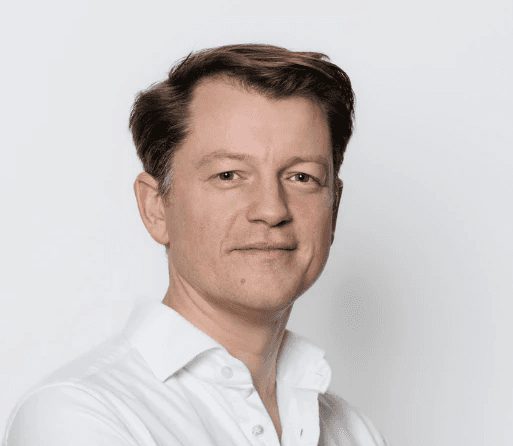
What I found most valuable was the practical lens: how ESG can be a driver of long-term value creation, not just a compliance exercise. It's prompted me to think more concretely about how we embed these principles at Dexory, in a way that aligns with both impact and performance.

Sustainability is a capability, not a department. Sustainability stalls when it sits as an appendage, and works when it's owned across product, operations, finance and marketing. Take an AI fraud detection model in a fintech. The impact sits in customer protection, but the work lives in the engineers training the model, the product team designing the alerts, the legal team managing disclosure, and the communications team explaining how it works. If only one of those functions owns it, the work fragments and so does the impact. The sustainability function frames the question and sets the standard; the rest of the business does the work.
Don't shy away from the hard conversations. The most credible companies didn't pretend sustainability was frictionless. They surfaced tensions, made deliberate calls, and were honest when sustainability lost the debate to growth or commercial reality. That might be a debate about restricting a category of product or supplier on a marketplace that performs poorly on sustainability metrics. The instinct is to cut, but cutting would only push demand to less-regulated competitors and displace impact rather than reduce it. Or acknowledging that a credit product expanding access for underserved customers also expands their exposure to debt. The role of a sustainability function isn't to win every debate, but to ensure the trade-off is named, in the room, and made consciously rather than brushed over. Sustainability should represent the voice of those not in the room.
Default to action over perfection. A bias to action, willingness to test, and openness about what isn't working, earns more investor and customer trust than any certification or scorecard. In practice, that looks like a fintech publishing its consumer default rates and complaint volumes alongside its growth metrics, or a marketplace publishing category-level returns and product issues alongside its top-line numbers. The companies furthest along admit mistakes and adjust; they don't wait for perfect alignment before moving. In our experience, that posture is a commercial asset, not a vulnerability.
What's next
The programme has just wrapped, and the cohort are starting to put what they learnt into practice. It's too early to write about specific outcomes. We plan to revisit the cohort in around twelve months and share what changed, what worked, and what didn't. For Atomico, the Accelerator is part of a broader commitment to make sustainability genuinely useful at the portfolio level: proportionate, commercially grounded, and shaped to the realities of building a high-growth company.
If you're a founder thinking through any of this, or interested in the next cohort, I'd love to hear from you.